
What to Ask Before Fat Freezing About Fat Growth Risk
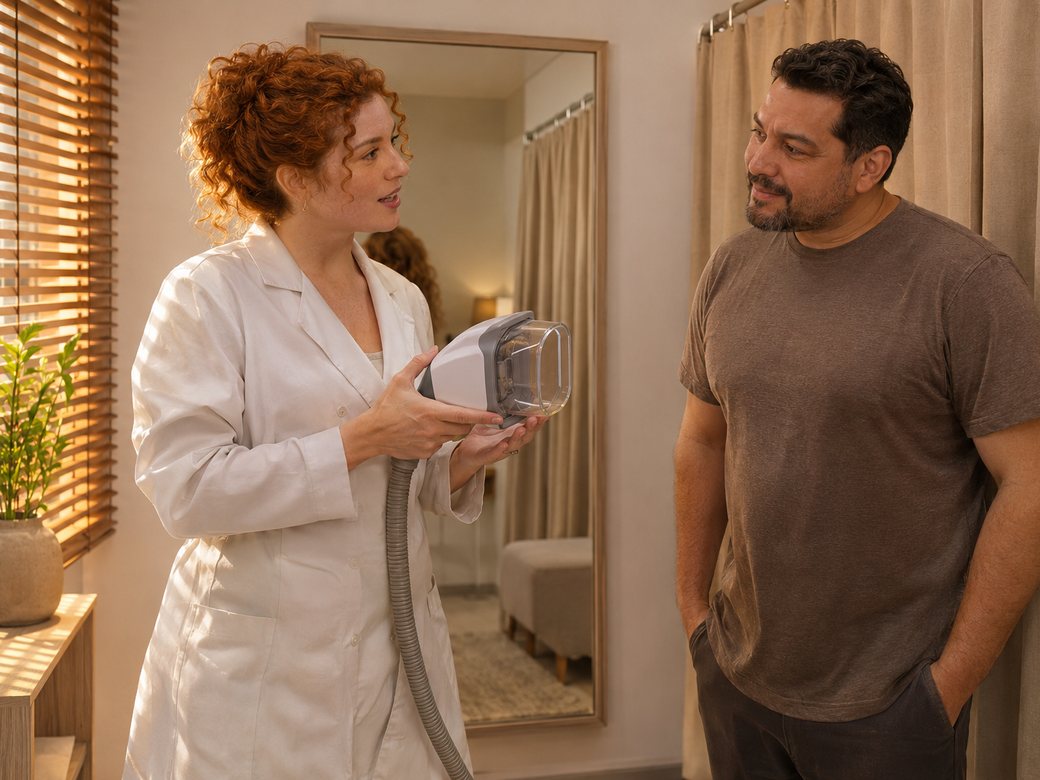
Fat freezing can add fat where it was meant to remove it. Before you agree to a session, you should know what that outcome is called and what to ask about it.
The concern in plain words
The outcome is called paradoxical adipose hyperplasia, or PAH, and it means more fatty tissue at the treatment site instead of less.
What the publisher says clinicians should tell you
The publisher mdedge.com reports a recommendation aimed at providers. Clinicians who perform cryolipolysis should inform patients about the risk of paradoxical adipose hyperplasia, “a newly described, rare side effect” consisting of a “usually permanent” increase in fatty tissue at the treatment site.
The same publisher carries a line that explains why the questions matter. “We should be counseling all our patients on the possibility of PAH, and we need to generate more data to determine its cause and the best treatment options.”
Rare is not the same as minor
The source uses two descriptions at once: rare, and usually permanent. A side effect can be uncommon and still costly when it happens. Fat Freezing Can Cause Fat to Grow: How Often sets out published estimates of how often it occurs.
A review of collagen stimulators in body applications, focused on poly-L-lactic acid looks at a separate subject.
Questions to take to a provider
- Do you tell every patient about the risk of PAH before treatment?
- If fat increases at the treatment site, what do you do about it?
- Is that follow-up included in what I pay, or is it extra?
- What do you say about its cause and the treatment options?
- Is the figure you quote me from a group of patients, or from a single case like the case study on subcutaneous radiofrequency microneedling for thigh skin laxity caused by weight loss?
What is still open
The quoted line itself says more data is needed on cause and on the best treatment options. A provider who answers those questions plainly, and names the publisher behind each answer, is giving you something you can check.
Ask before the first session, not after, and keep the answers in writing.